
America at 250: Freedom Without God?
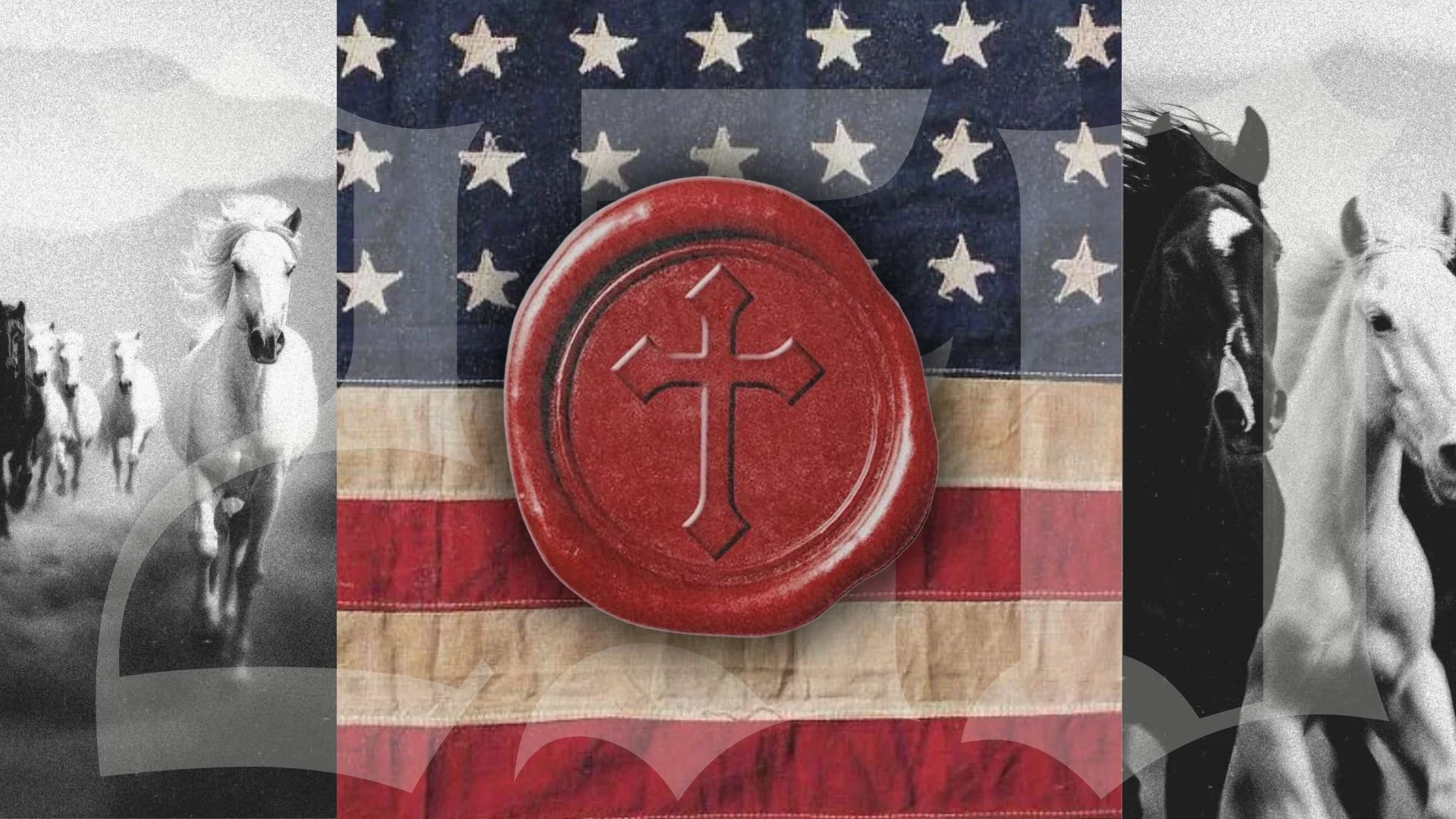
Freedom Was Never Meant to Lead Us Away from God
For the past five weeks, our 250 Series has been about much more than American history. History has simply provided the backdrop. The real story has been the biblical patterns that repeat themselves throughout every generation.
From the Garden of Eden, to the nation of Israel, to the American colonies, humanity continues to face the same question: Will we trust God's voice, or will we begin trusting ourselves? Different generations may use different words, but the temptation remains remarkably consistent. God speaks. Another voice enters the conversation. We decide which one we'll follow.
As we concluded this series, we discovered that every generation eventually reaches a defining moment—not simply a moment where freedom becomes possible, but a moment where people must decide what they will do with the freedom they've been given.
That is exactly where Deuteronomy 8 finds the nation of Israel.
After forty years of wandering through the wilderness, Israel was finally preparing to enter the Promised Land. They were about to stop surviving and begin building. Homes would replace tents. Vineyards would replace manna. Families would settle instead of wander. For the first time in generations, they would experience stability and prosperity.
Yet before they crossed into the land, God gave them a warning.
"Beware that you do not forget the Lord your God."
Interestingly, God wasn't concerned that His people would forget how to build homes or plant vineyards. He wasn't worried about their ability to organize a nation or create a thriving society. His concern was far deeper. He knew the human heart. He knew that when life becomes comfortable, there is a subtle temptation to begin believing that our success is the result of our own strength rather than God's provision.
The danger wasn't prosperity.
The danger was forgetting the One who made prosperity possible. Freedom was never intended to become independence from God.
Centuries later, another people found themselves standing at a similar crossroads.
As the American colonies moved toward independence, they wrestled with questions that still shape our world today. Where do our rights come from? Where does governmental authority originate? What makes a government just?
The Declaration of Independence offers fascinating insight. Before it ever discusses government, it acknowledges "the Laws of Nature and of Nature's God." It declares that all people are created equal and are endowed by their Creatorwith certain unalienable rights before ultimately expressing reliance upon Divine Providence.
Regardless of the individual beliefs of every signer, the document reveals something significant about the generation that produced it. They understood that if they hoped to build something lasting, they could not place human government at the top of the hierarchy. Authority ultimately belonged to God.
In many ways, they echoed the warning Moses had given Israel centuries earlier: Beware lest you forget the Lord your God.
But perhaps the greatest lesson from both Scripture and history is that these patterns aren't simply historical observations.
They're deeply personal.
Most followers of Jesus have experienced the tension Paul describes in Romans 6. We know what God has said, yet we still find ourselves battling temptation. We remember God's faithfulness, yet we're often tempted to trust our own understanding. We celebrate the freedom Christ purchased for us, yet we sometimes continue living as though we're still bound by the very things He came to destroy.
Paul's answer is remarkably different from what we often expect.
He doesn't tell believers to simply try harder.
Instead, he points them to something that has already happened.
Our old self was crucified with Christ.
Buried with Christ.
Raised with Christ.
These aren't motivational metaphors designed to inspire better behavior. Paul is describing spiritual reality. Christianity is not primarily about improving the old person. It is about becoming an entirely new creation through Jesus Christ. The greatest miracle of salvation isn't simply that our sins are forgiven. It's that the person we once were has died, and God has made us new.
That truth changes how we approach everyday life.
Paul says believers must "reckon" themselves dead to sin. In other words, we must agree with God about who He says we now are. Faith is not pretending to be someone we aren't. Faith is believing God's Word above every competing voice—even when our emotions, our past, our circumstances, or our temptations attempt to tell a different story.
Those competing voices are still present today. They whisper that we'll never change, that this is simply who we are, or that our past will always define us. Yet every one of those voices contradicts what God has already declared about those who belong to Christ.
The question remains the same as it has always been.
Which voice will we believe?
Joshua asked that same question long before Paul ever wrote Romans.
Standing before a generation that had finally inherited the Promised Land, Joshua challenged them, "Choose for yourselves this day whom you will serve."
Paul asks essentially the same question when he urges believers to present themselves to God. Different words. Same invitation.
Every day we decide who will have our hearts, our minds, our allegiance, and ultimately our lives.
That is why biblical freedom looks so different from the way our culture often defines it. The world tends to define freedom as independence—living however we choose without anyone telling us what to do. Scripture offers something far richer. Jesus didn't set us free so we could become independent from God. He set us free from the authority of sin so that we could joyfully live under His lordship.
Freedom is never merely freedom from something.
It is always freedom to something.
Freedom to obey.
Freedom to worship.
Freedom to become who God created us to be.
As this series comes to a close, history leaves us with a deeply personal question.
Will another Great Awakening come?
Perhaps.
But maybe the better question is whether each of us is willing to become the kind of person God can use. Throughout history, awakenings have always begun when ordinary men and women chose to believe God's Word above every other voice. They surrendered themselves completely to Christ and allowed the Holy Spirit to work through them.
Joshua's declaration still echoes through every generation:
"As for me and my house, we will serve the Lord."
May that become more than a familiar verse.
May it become the defining declaration of our lives.
Watch the Full Message
This article captures the central ideas from Week 5 of our 250 Series, but there's much more to explore including the full teaching on Romans 6–8, biblical identity, the role of the Holy Spirit, and how these biblical patterns continue to shape our lives today. We invite you to watch the complete message or listen to the sermon wherever you follow LEV Church.